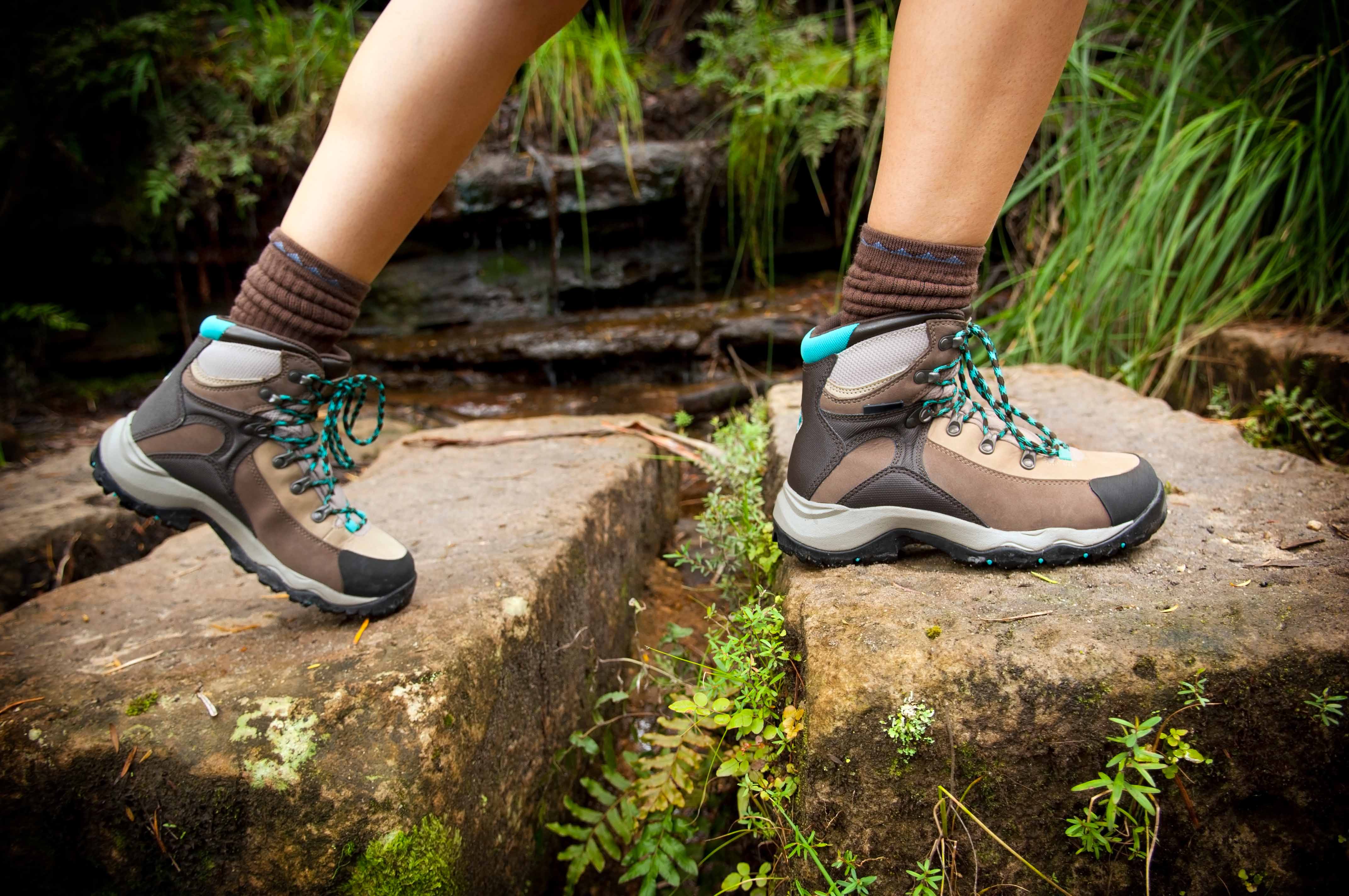
Le 20 octobre, la Journée mondiale de l’ostéoporose rappelle l’importance de prévenir les chutes. Chez une personne fragilisée, une perte d’équilibre peut entraîner une fracture et compromettre l’autonomie.

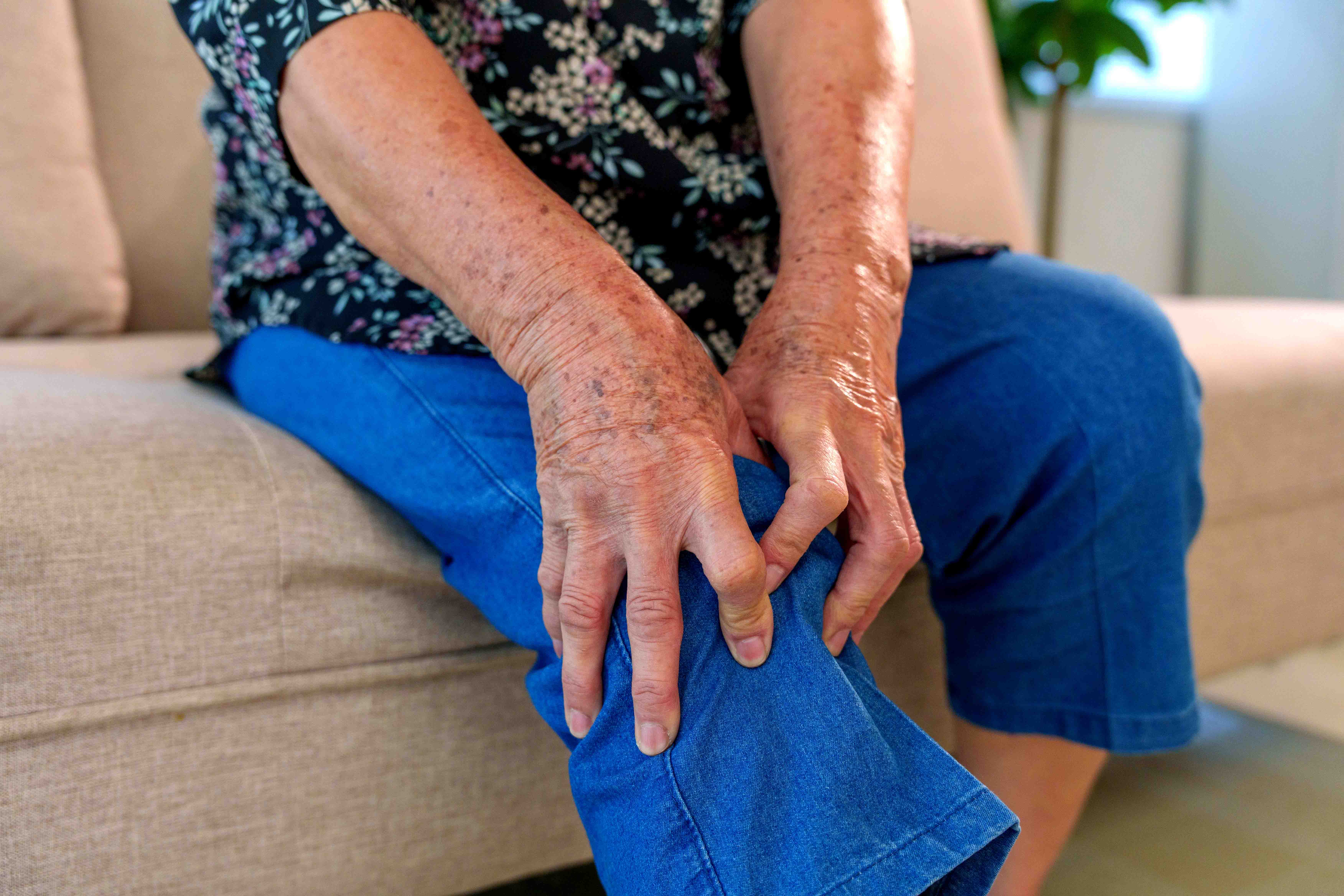
Chaque 12 octobre, la Journée mondiale de l’arthrite sensibilise aux maladies rhumatismales et musculosquelettiques. Pour l’officine, c’est l’occasion de rappeler que la mobilité dépend aussi de la qualité des appuis.

Chaque 7 octobre, la Journée mondiale pour le travail décent rappelle qu’un environnement professionnel de qualité passe aussi par la prévention de la santé. Or, rester debout ou piétiner durant plusieurs heures peut entraîner fatigue musculaire, inconfort et douleurs, notamment au niveau des pieds, des jambes et du dos. Les salariés du commerce, de la restauration, de l’industrie ou encore les professionnels de santé sont particulièrement concernés.
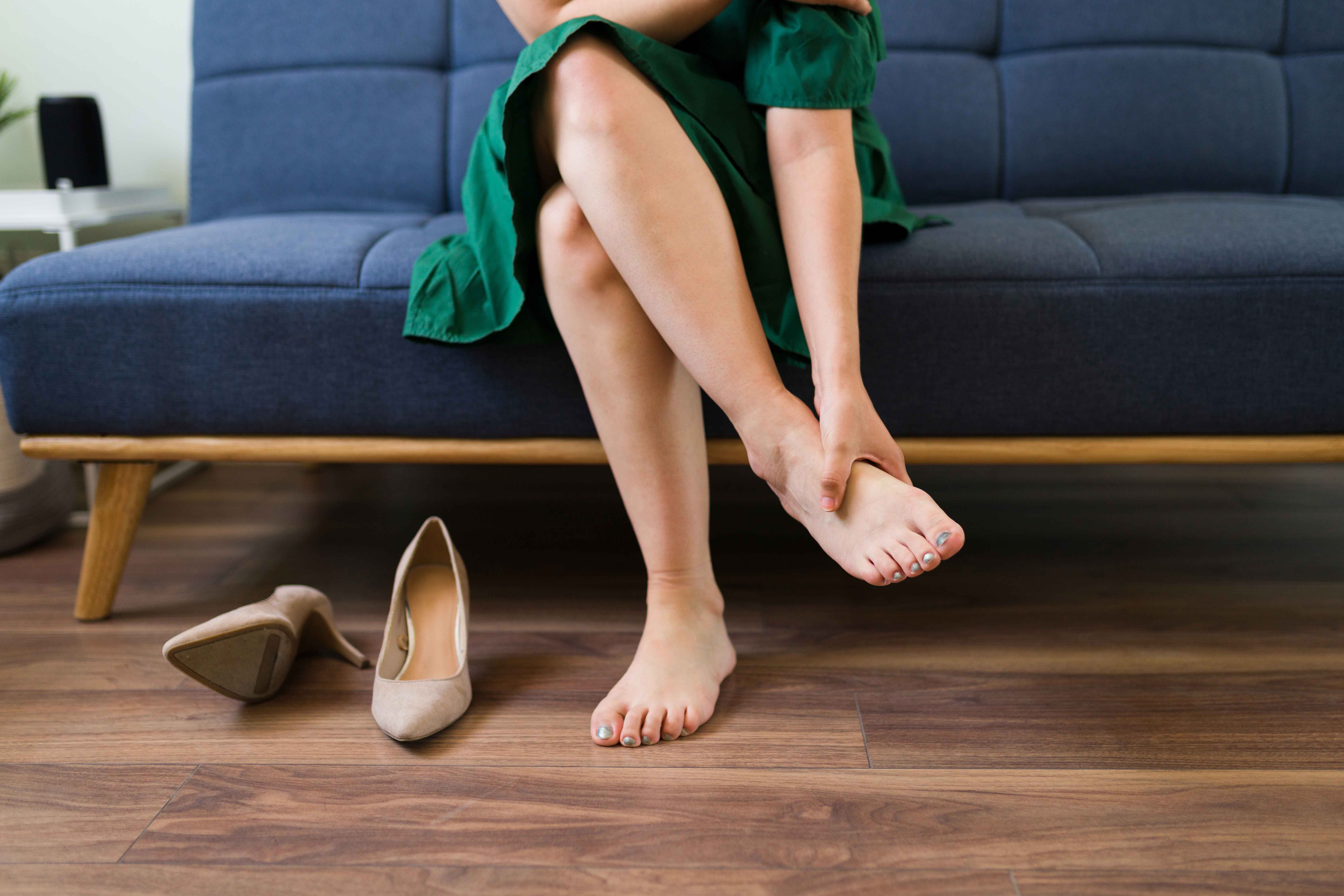
À chaque pas, le pied absorbe et redistribue les contraintes. Une surcharge du talon ou de l’avant-pied, une pronation marquée ou une asymétrie peuvent provoquer des compensations au niveau des chevilles, des genoux, des hanches et parfois du dos. Pour autant, le lien n’est pas systématique : une douleur peut avoir plusieurs causes et nécessiter une orientation médicale.
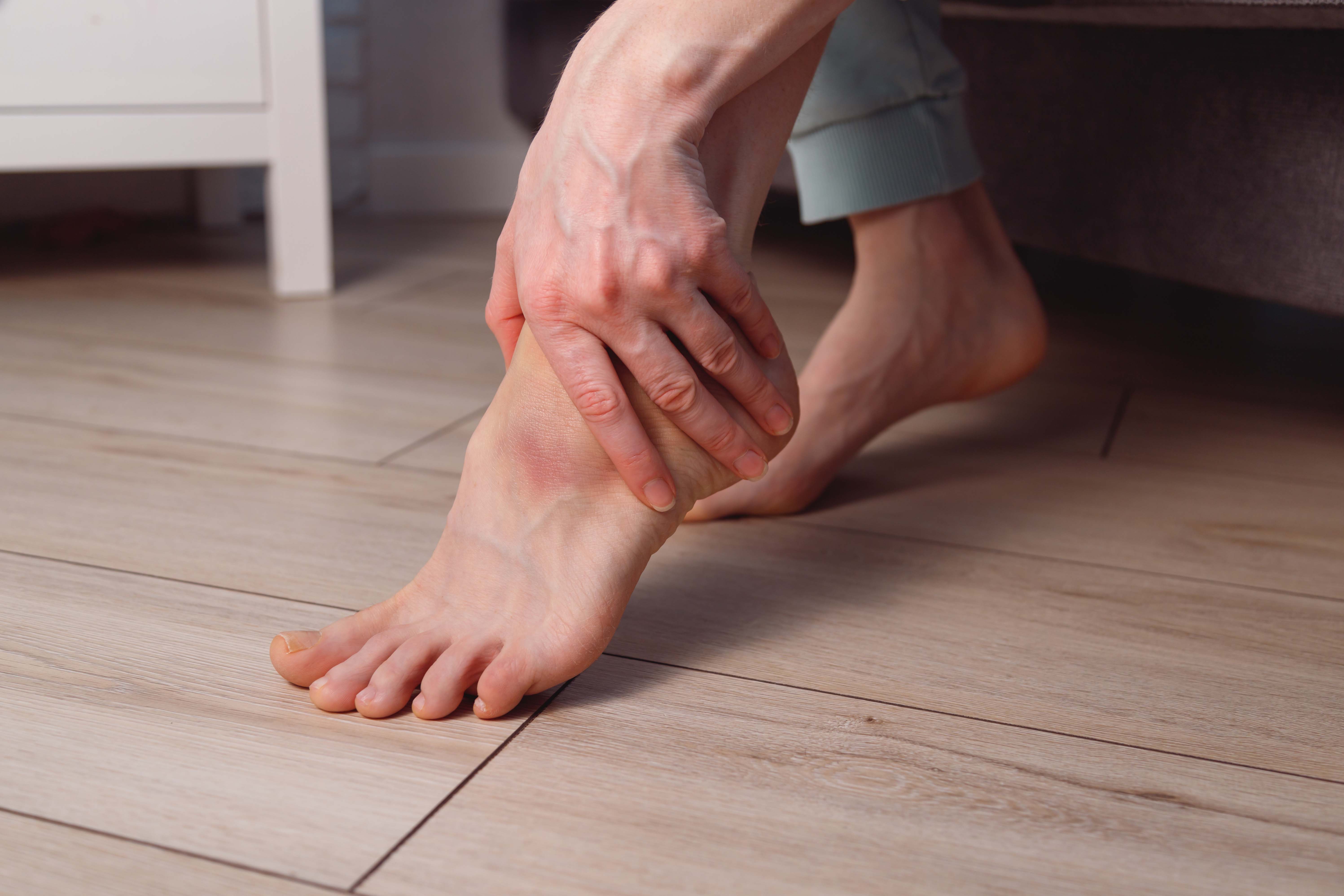
Douleur au talon, gêne au genou, tensions lombaires… Au comptoir, ces plaintes sont fréquentes. Pourtant, le rôle des pieds reste sous-estimé. Une répartition déséquilibrée des pressions plantaires peut entretenir certains inconforts et perturber la posture ou la marche. Durant le Mois de la sensibilisation à la douleur, l’officine peut inviter les patients à s’interroger sur leurs appuis.

Chaque 17 septembre, la Journée mondiale de la sécurité des patients rappelle l’importance de prévenir les risques tout au long du parcours de soins. En 2026, l’OMS consacre l’événement à la sécurité des soins liés aux maladies non transmissibles. Un thème qui fait écho au rôle du pharmacien auprès des personnes vivant avec un diabète, des douleurs chroniques ou des troubles de la mobilité.