Orthotic insoles are designed to relieve, correct, and prevent pain related to posture or walking. But like any medical device, they require a little care, especially in the summer, when trips to the beach become more frequent.
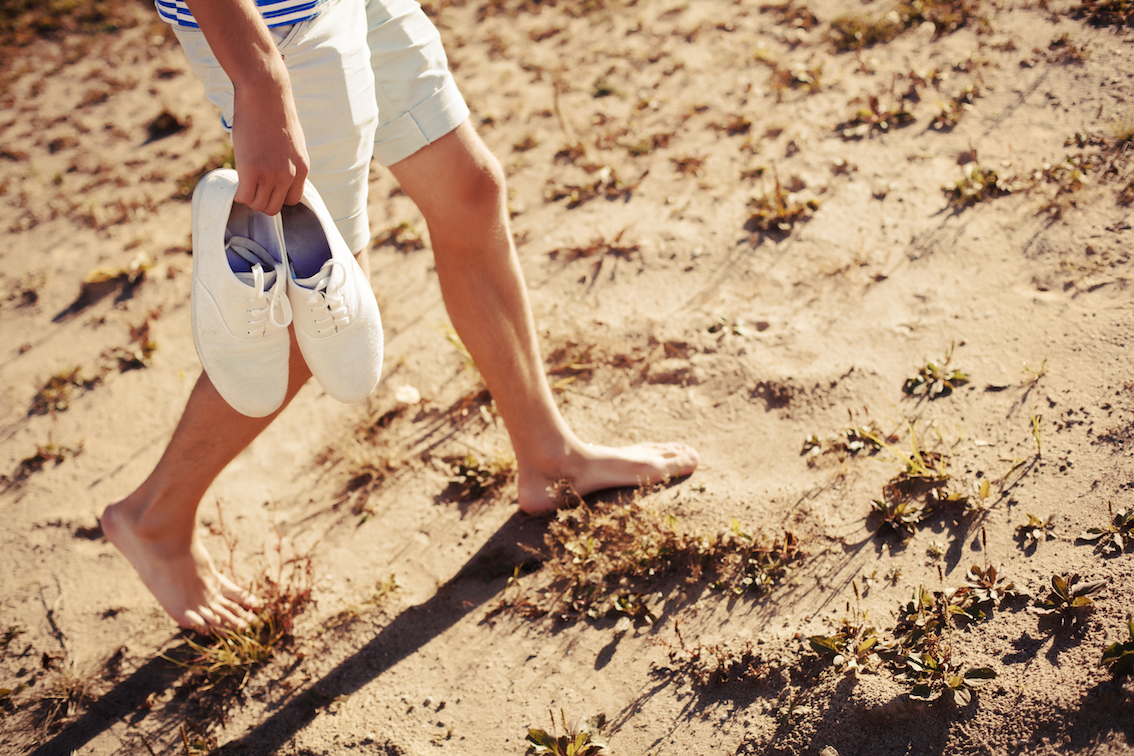
At first glance, walking barefoot in the sand seems like a good idea: it feels good, it’s natural, and it strengthens the feet. However, if you wear orthopedic insoles in your open-toed shoes, sandals, or sneakers at the beach, be careful!
· Sand gets everywhere: it easily gets between the sole and the foot, or between the sole and the shoe.
· It acts as an abrasive: as you walk, the grains rub against and wear down materials, especially foam or cork.
· It retains moisture: when mixed with seawater, sand accelerates the deterioration of shoe soles (peeling, warping, odors, etc.).
· Choose a pair of shoes specifically designed for the beach, without orthopedic insoles.
· If you absolutely must walk while wearing your insoles (for example, due to pain or as part of postural therapy), keep your exposure to sand to an absolute minimum (from the car to your towel, for example).
· Place them in an airtight storage bag, away from sand and moisture.
· Never leave them lying around in a beach bag or at the bottom of a tote bag with damp towels and sunscreen.
· If sand has gotten inside, carefully remove the insoles and brush them off while they are dry.
· If necessary, clean with a damp cloth, but do not submerge them. Let them air dry away from direct heat sources (radiators, strong sunlight).
Orthopedic insoles don’t like sand or seawater. But with a few precautions, it’s entirely possible to protect them without missing out on the joys of the beach. Proper care extends their lifespan… and your comfort.
Find the nearest pharmacy equipped with Vistapod by downloading the Vistapod app.
www.vistapod.eu/link