
At a time when patients are increasingly interested in the origin and traceability of healthcare products, proximity is becoming a key factor in their decision-making. Orthopedic insoles are no exception to this trend.


"Callus" refers to a thickening of the skin’s outer layer. This defense mechanism develops as a result of repeated pressure or friction. When this thickening becomes excessive, it is called hyperkeratosis. Calluses are larger areas that are often yellowish and have indistinct borders. They develop mainly on the ball of the foot, the sides of the foot, or the heel. Although they are painless at first, they can crack and cause pain.
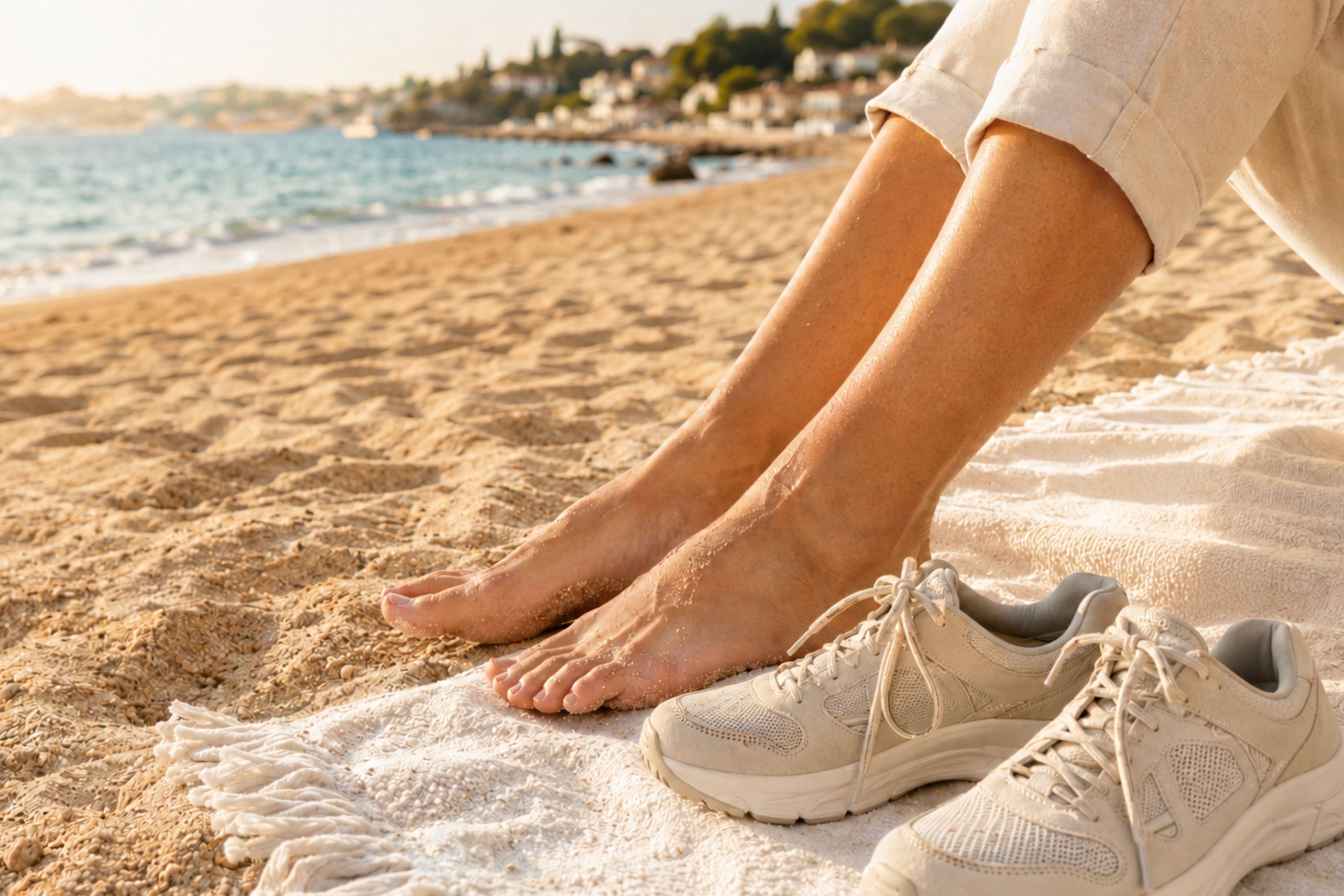
Sightseeing, walks along the beach, hikes, or days at amusement parks: on vacation, the number of steps we take often increases without us even realizing it. This change in pace, combined with wearing sandals or shoes that aren’t always the best fit, puts extra strain on our feet. This can lead to foot fatigue, blisters, and pain in the heels, knees, or back.
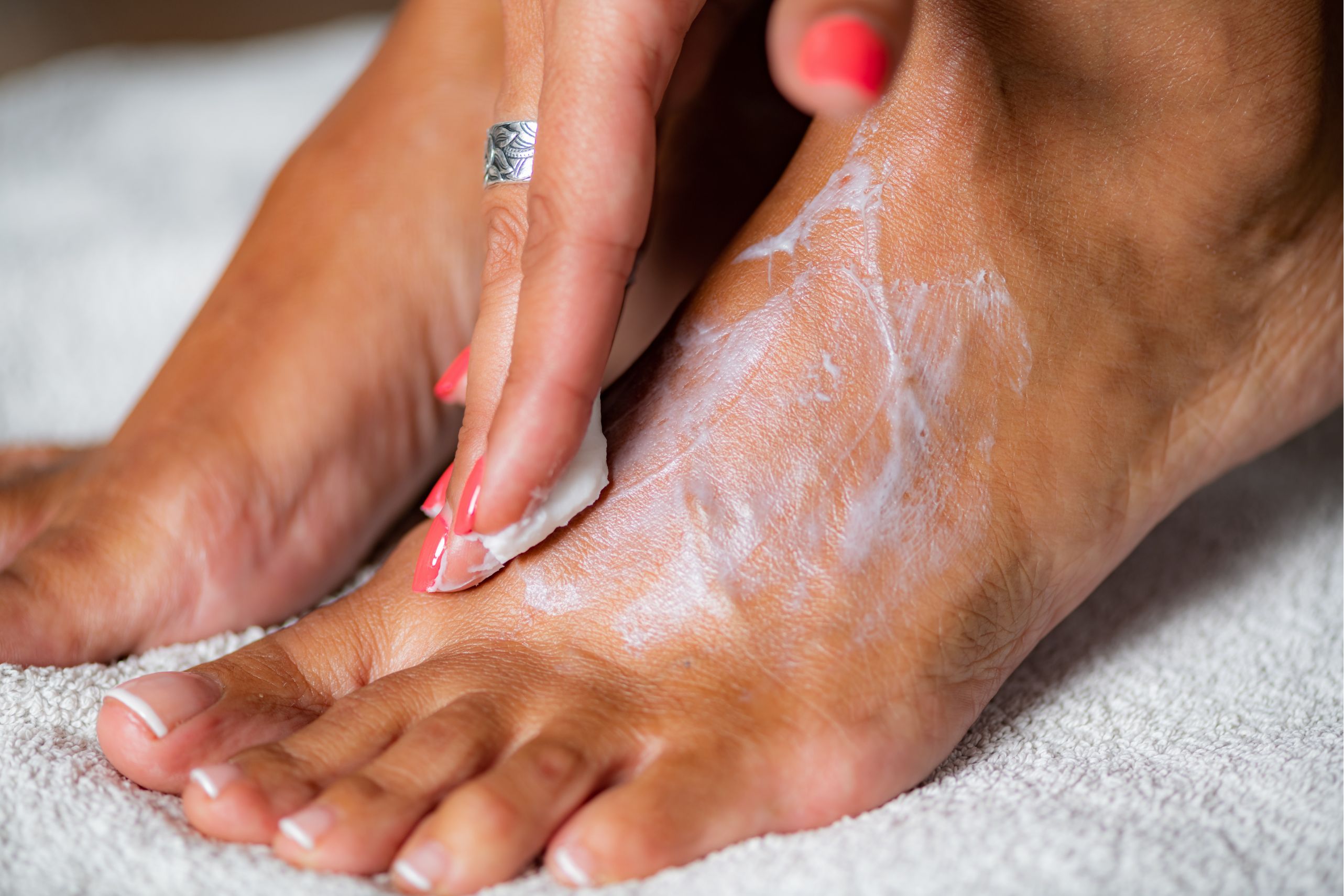
Although our feet are in constant use throughout the day, they are rarely included in our daily preventive care routines. Prolonged walking, standing, wearing ill-fitting shoes, friction, or uneven weight distribution can lead to pain, swelling, corns, calluses, or feelings of fatigue. A simple evening routine can help maintain foot comfort and identify certain warning signs earlier.

Localized pain, discomfort when walking, and thickening of the skin. Corns on the feet and toes are common reasons for walk-in visits. Although patients often downplay them, they are actually the result of repeated mechanical stress: friction inside the shoe, excessive pressure, foot deformities, hallux valgus, claw toes, or wearing ill-fitting shoes.
Sandals, flip-flops, long walks on vacation, walking around on a patio, or getting back into physical activity: summer changes our walking habits. While these changes don’t always cause immediate pain, they can disrupt the way we walk and bring to light discomforts that were previously subtle: foot fatigue, heel pain, tight calves, sore knees, or lower back pain.